
Operations experience,
rebuilt for the way businesses work now.
Operant was created to give business owners something that is difficult to find in one place: experienced operational leadership, systems built around the real business, and someone responsible for helping the work move.
The work was happening. The operation was still being carried in someone's head.
Most operational problems are not caused by people doing nothing. They develop because information is scattered, responsibility is unclear, follow-up depends on memory, and the owner remains the only person who can see the whole picture.
A vendor made a promise in an email. A project decision happened in a text message. A renewal date lives in a spreadsheet. A recurring procedure exists because one employee remembers it. An unresolved issue disappears beneath the next urgent problem.
The owner becomes the connecting point for all of it—remembering, checking, chasing, locating, coordinating, and repeatedly asking what happened.
Operant was built to change that operating condition. It creates structure around the work, keeps open loops visible, separates routine follow-through from genuine owner decisions, and places an experienced operator behind the system.
Three things growing businesses usually have to find separately.
Operational judgment
Someone who can understand the moving pieces, recognize dependencies, establish priorities, and know when the owner actually needs to be involved.
A system built around the business
Projects, responsibilities, vendors, documents, deadlines, decisions, waiting items, and operational history organized into a useful working environment.
Continuing follow-through
The system is actively used to coordinate, track, report, improve, and help move the work—not simply handed over as another tool.
Designed between consulting, software, and a full-time hire.
Operant occupies the practical space many growing businesses actually need.
| Option | What it provides | What may still fall to the owner |
|---|---|---|
| Consultant | Analysis and recommendations | Implementation and continuing execution |
| Virtual assistant | Assigned administrative tasks | Operational design, prioritization, and ownership |
| Software platform | Tools and features | Configuration, management, and keeping the system current |
| Full-time operations hire | Dedicated internal leadership | Salary, benefits, recruiting, onboarding, and employment overhead |
| Operant | Experienced judgment, a client-specific operating environment, and managed execution | The owner retains the decisions that genuinely require ownership |
The philosophy behind the system.
Important work should remain visible.
Every meaningful open loop should have context, responsibility, status, and a next action.
Owners should manage decisions—not reminders.
Routine coordination and follow-through should not consume the attention needed to lead the business.
Technology should reduce operational weight.
A useful system makes the business easier to run. It should not become another burden the owner must maintain.
AI should increase capability without removing accountability.
Technology can structure information and accelerate work; experienced human judgment remains essential.
Good operations reduce uncertainty.
They make responsibility visible.
They preserve what happened and clarify what happens next.
And they stop requiring the owner to carry every unfinished obligation alone.
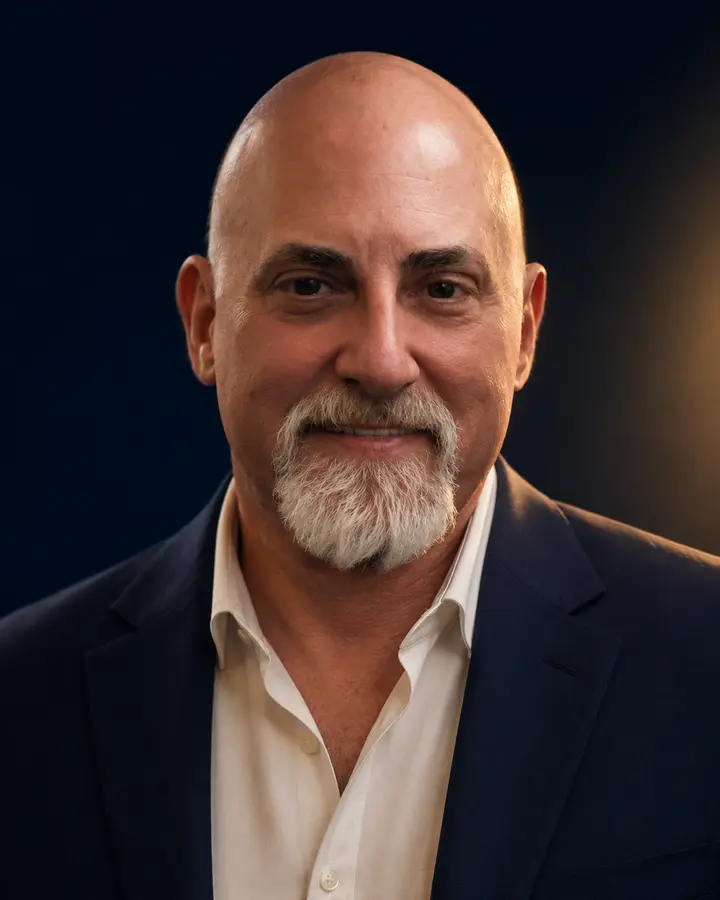
Built by an operator—not invented in a software lab.
Operant was founded by Paul Karaisaridis, whose technology and systems work grew directly from decades of practical operations, facilities, construction, service, and organizational responsibility.